Auto Insurance
Preparing Your Car for Winter Driving in Utah
Learn tire tips, emergency gear, and safety steps for cold-weather driving.
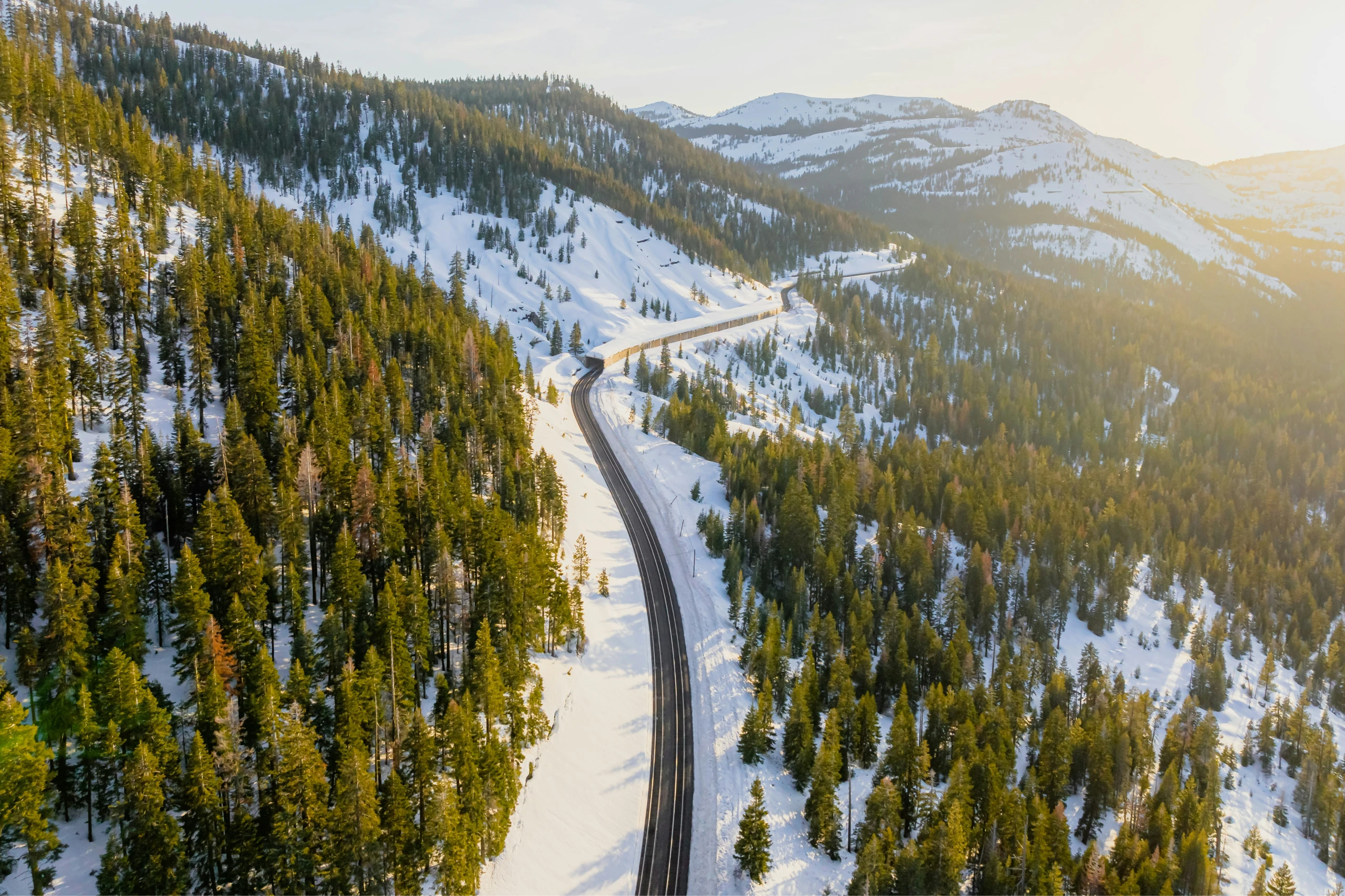
Utah winters bring snowstorms, freezing rain, canyon winds, and icy roads that can challenge even the most experienced drivers. Preparing your vehicle before temperatures drop isn’t just a safety step—it can also help prevent winter-related insurance claims, breakdowns, and costly repairs. Whether you’re commuting along the Wasatch Front or heading into the mountains, a winter-ready vehicle makes a huge difference.
Before winter hits, it’s smart to make sure your insurance protects you from weather-related accidents. iDriveSure makes it simple for Utah drivers to compare coverage and find a plan that fits their needs.
Winter tires provide better grip, braking, and control on snowy or icy roads. They use softer rubber and deeper tread to maintain traction in freezing conditions.
If you live in:
Replace tires when tread depth hits 4/32" or lower—traction drops quickly in snow.
Cold temperatures weaken car batteries. Many winter breakdowns in Utah happen because batteries can’t produce enough cold-cranking amps.
Check for:
If your battery is more than 3 years old, test it before winter begins.
Winter places extra demands on your vehicle’s fluids.
Make sure to:
Frozen or low fluids can damage engine components or reduce visibility.
Slippery roads reduce stopping distance, so brakes must be in good condition.
Check for:
Fixing brake issues before winter helps prevent accidents caused by long stopping distances.
Visibility is everything in winter weather. Replace wipers at least once a year or sooner if visibility declines.
Also test:
Clear all snow and ice before driving—Utah law can fine drivers who leave obstructing snow on windows or roofs.
Cold temperatures reduce tire pressure. Low pressure impacts:
Check pressure weekly during winter months.
Utah canyon roads, rural highways, and snowstorms can leave drivers stranded. Keep a kit with:
This small kit can make a big difference during unexpected delays or emergencies.
If your vehicle has 4WD or AWD, test it before the first storm. Make sure it engages properly and check your owner’s manual for recommended use.
Many Utah drivers rely on AWD in winter, but it does not directly improve stopping distance—tires and brakes matter more.
This helps:
It also adds weight, which can improve traction in some vehicles.
Winter accidents are common across Utah. Knowing what your insurance covers helps you avoid surprises if something happens.
Quick overview:
If you’re not sure whether you’re paying too much for your current policy, this guide can help you assess your options:
4 signs you’re overpaying for car insurance.
Preparing your vehicle for Utah’s winter conditions is one of the best ways to avoid accidents, breakdowns, and costly repairs. With the right maintenance, equipment, and awareness, you can drive with confidence through snow, ice, and rapidly changing canyon weather.
If you want to be sure your insurance will protect you this winter, iDriveSure can help you compare coverage options quickly and easily. Check your options today and get the peace of mind you need for Utah’s snowy season.